Field Notes
47°NFrom HomeSquatchAnswers to the questions buyers ask once a foothill house gets serious: hazard maps, old mines, septic paperwork, wood stoves and wet pasture. Written by Austin Hellickson, Managing Broker with LPT Realty, for people looking between Orting and North Bend.
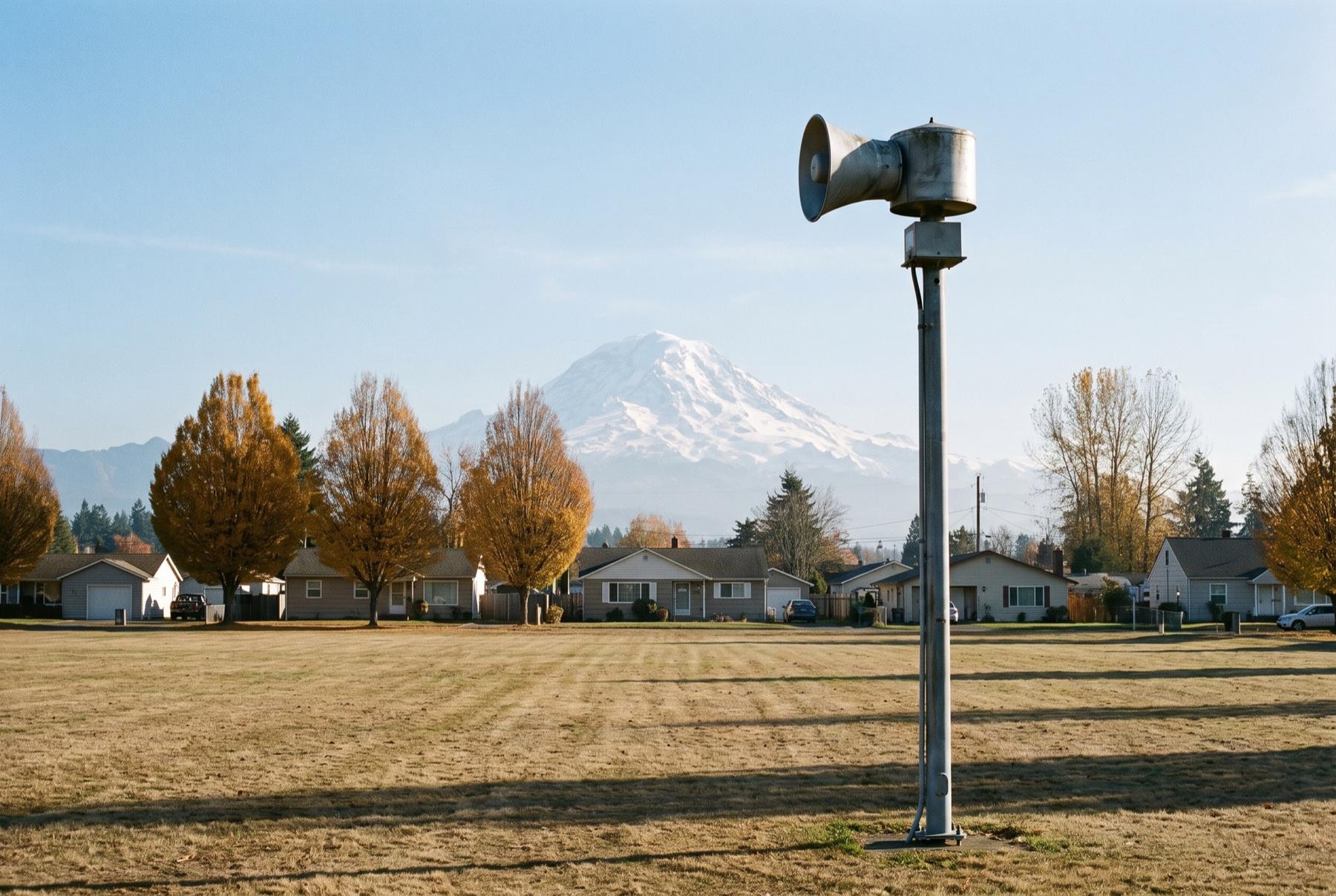
Is It Safe to Buy a House in Orting’s Lahar Zone?
For many buyers, yes, provided you understand the hazard and plan for it. Orting sits on the valley floor inside Mount Rainier’s mapped lahar hazard zone, so living there means learning the siren and your route to high ground, and knowing that a standard homeowners policy is unlikely to cover mudflow damage. A large lahar is unlikely in any given year, but the damage would be severe, which is why the town drills for it.
A siren on the valley floor Orting
From the notebook
Every note is dated . Rules on septic, burning and insurance change, so confirm the current version with the agency named in each one.
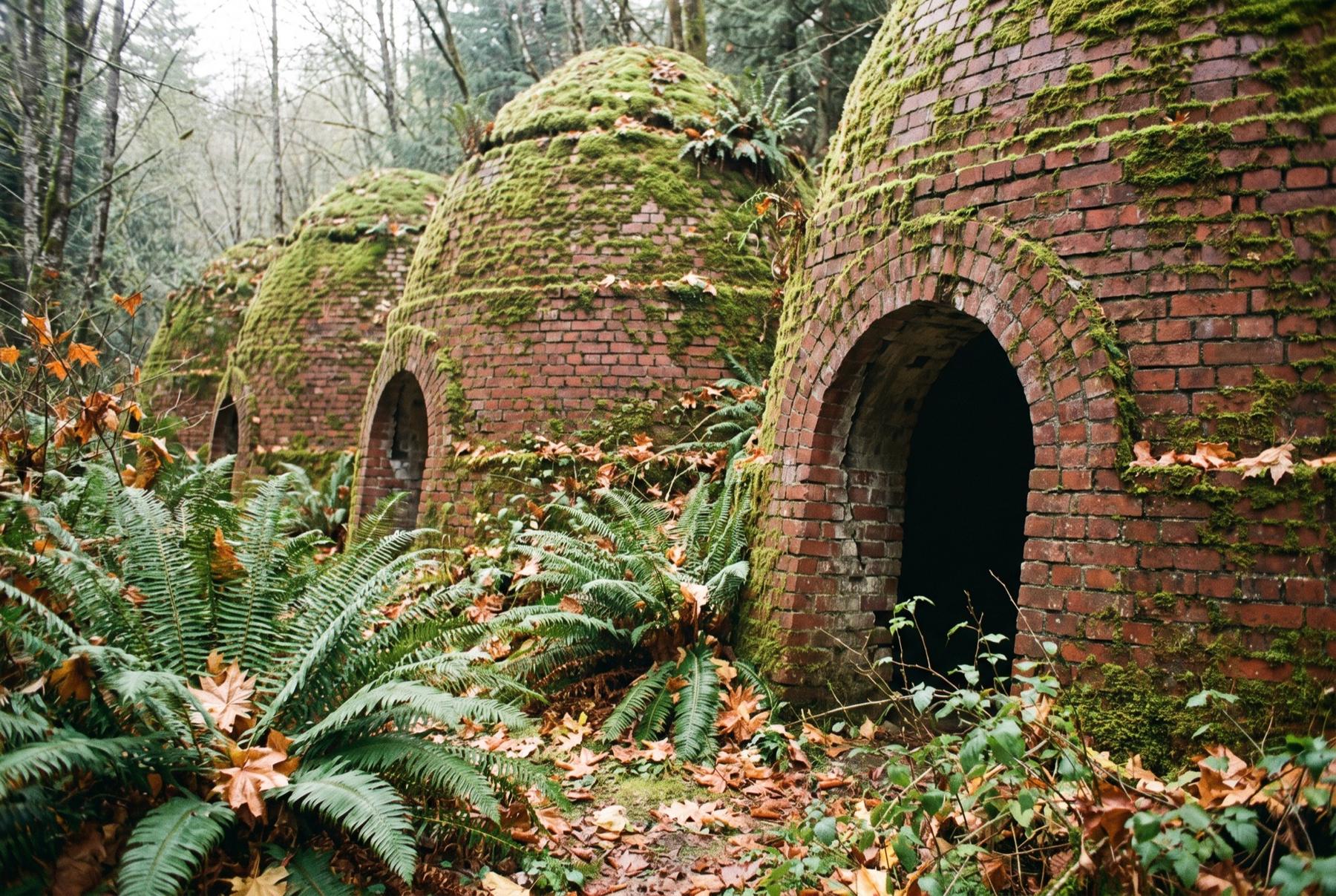
Coal Mines Under Black Diamond Homes: What to Check
Old coal mines lie under parts of Black Diamond, Issaquah and Wilkeson. How to check one parcel before you buy, and what a mapped hazard means.
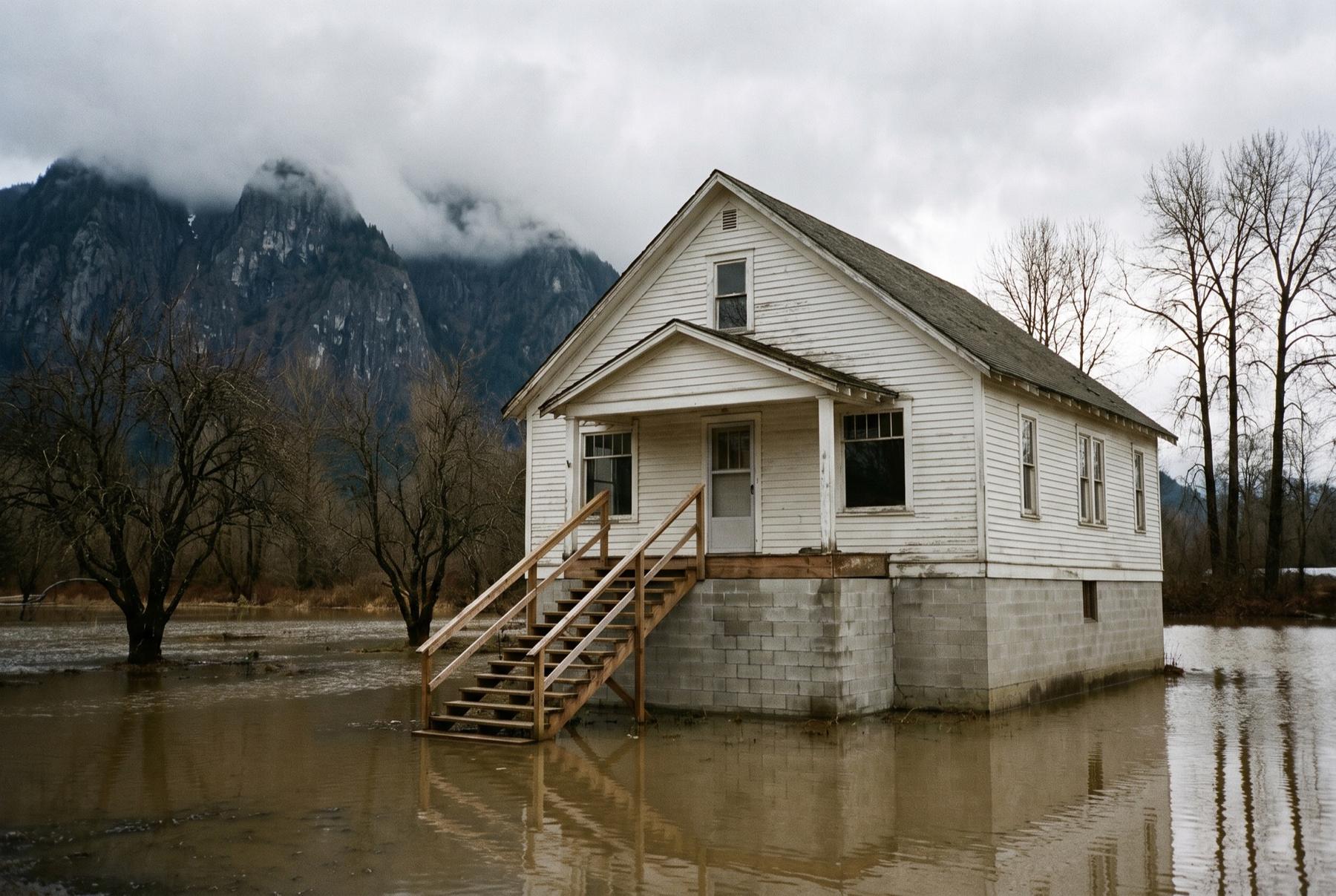
Does North Bend Flood? Buying in the Snoqualmie Valley
Parts of North Bend and Snoqualmie flood in big winter storms. How to check one address, when flood insurance is required, and what to ask the seller.
-
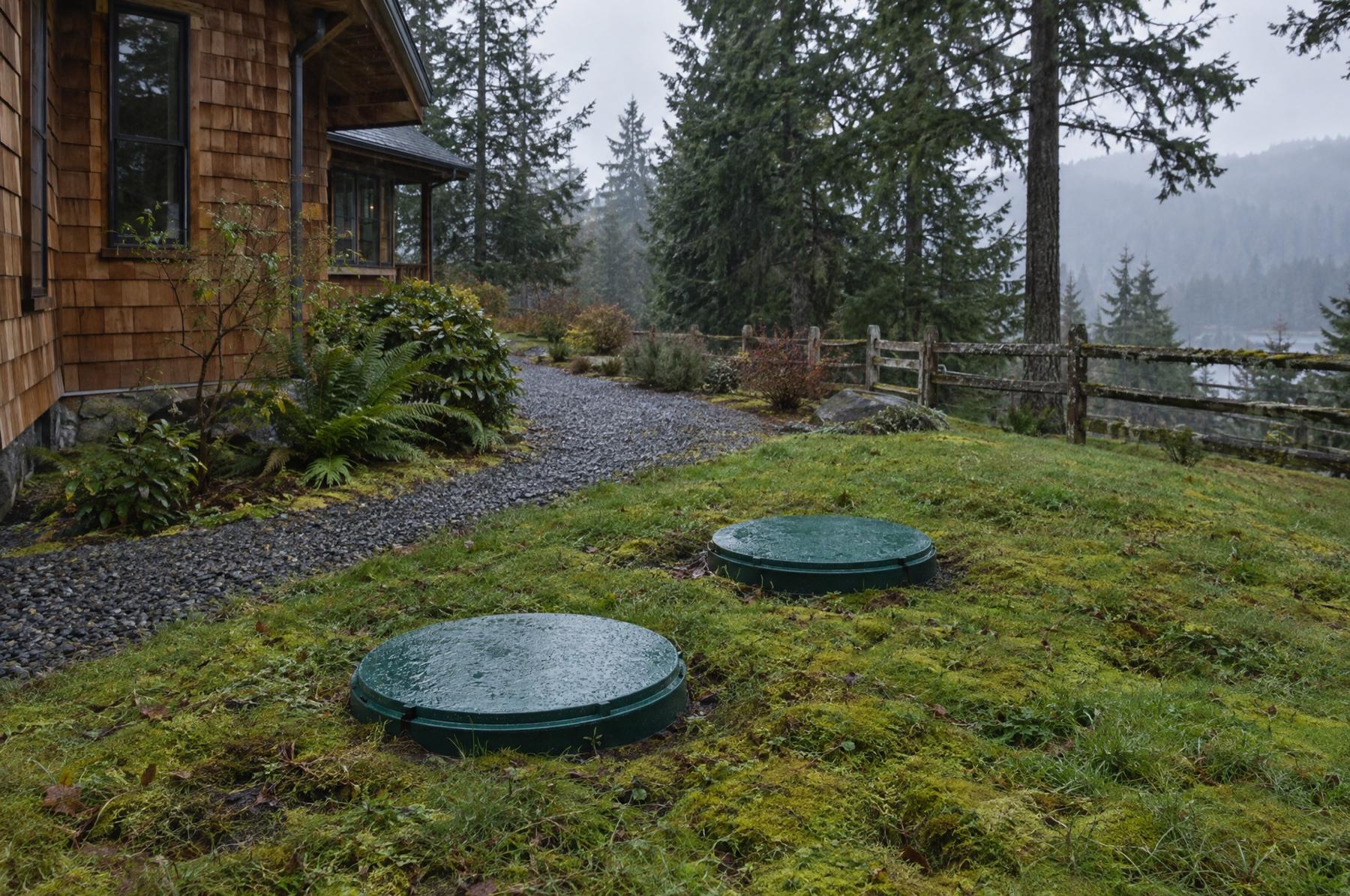
King vs. Pierce County Septic Rules When a Home Sells
How the septic inspection at sale works in King County and in Pierce County, who arranges it, and how a buyer should read the report.
-
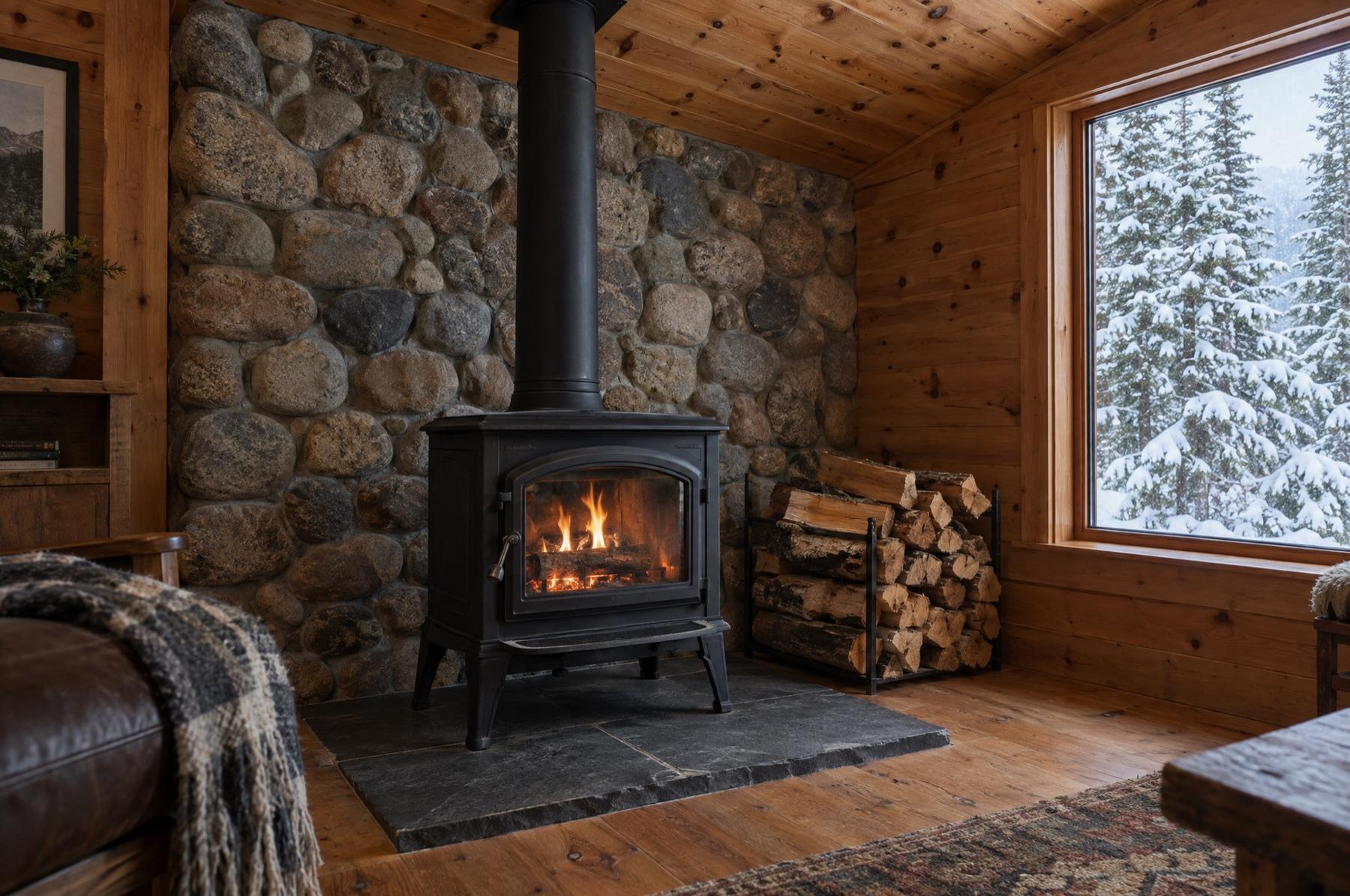
Uncertified Wood Stoves and Burn Bans in Pierce County
A house with a wood stove in Pierce or King County: checking certification, the Pierce smoke zone rule, burn bans, and insurance.
-
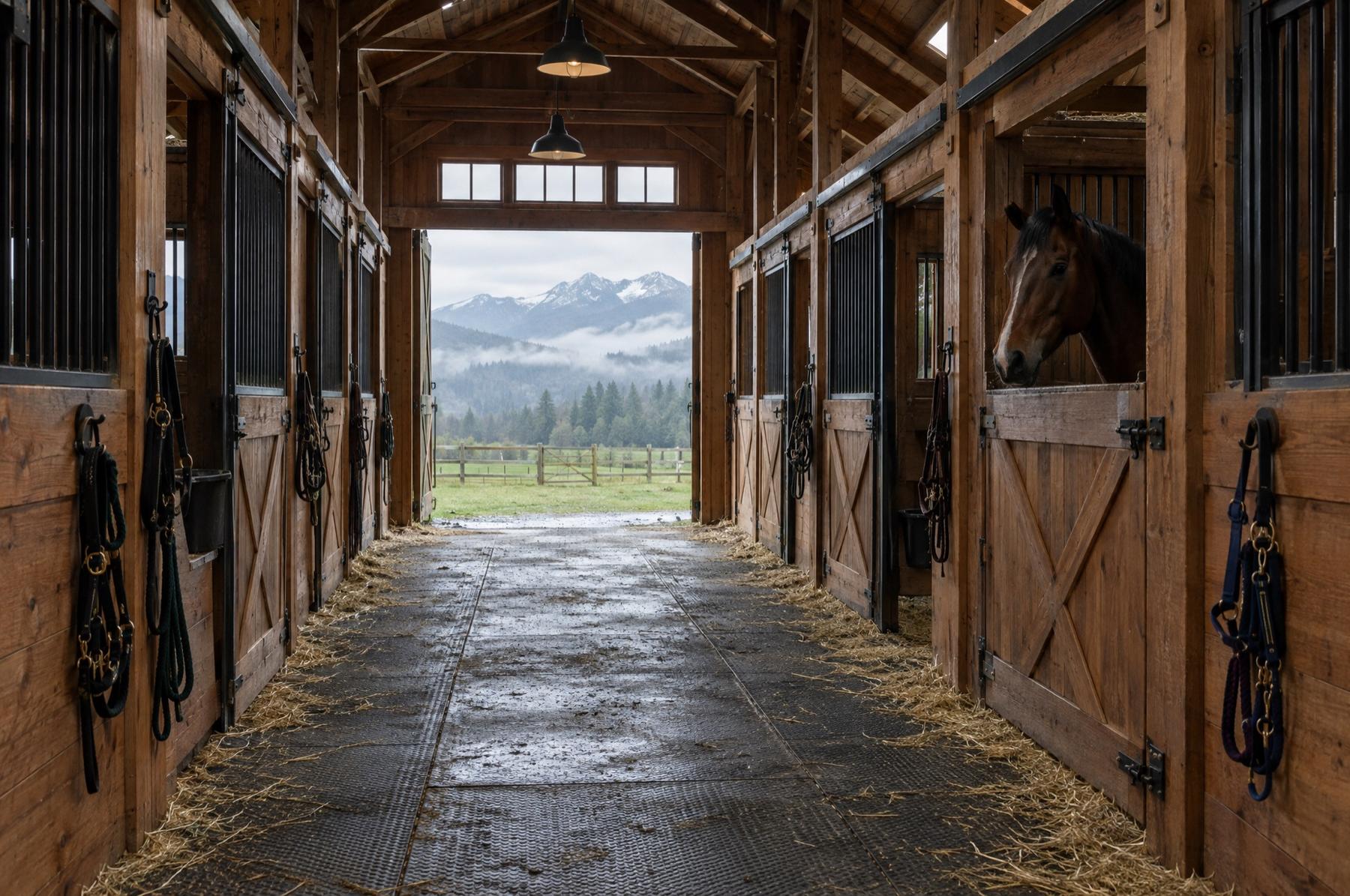
Buying Horse Property on the Enumclaw Plateau
Horse property near Enumclaw: winter pasture drainage, barn and arena permits, stock water, King County livestock rules and free farm plans.
Ask about one house.
These notes cover the general rules. A single address has its own maps, records and history, and I’m glad to look them up with you before you write an offer.