How the search works
From the first phone call to an accepted offer on a house with a well, a septic tank and a gravel drive.
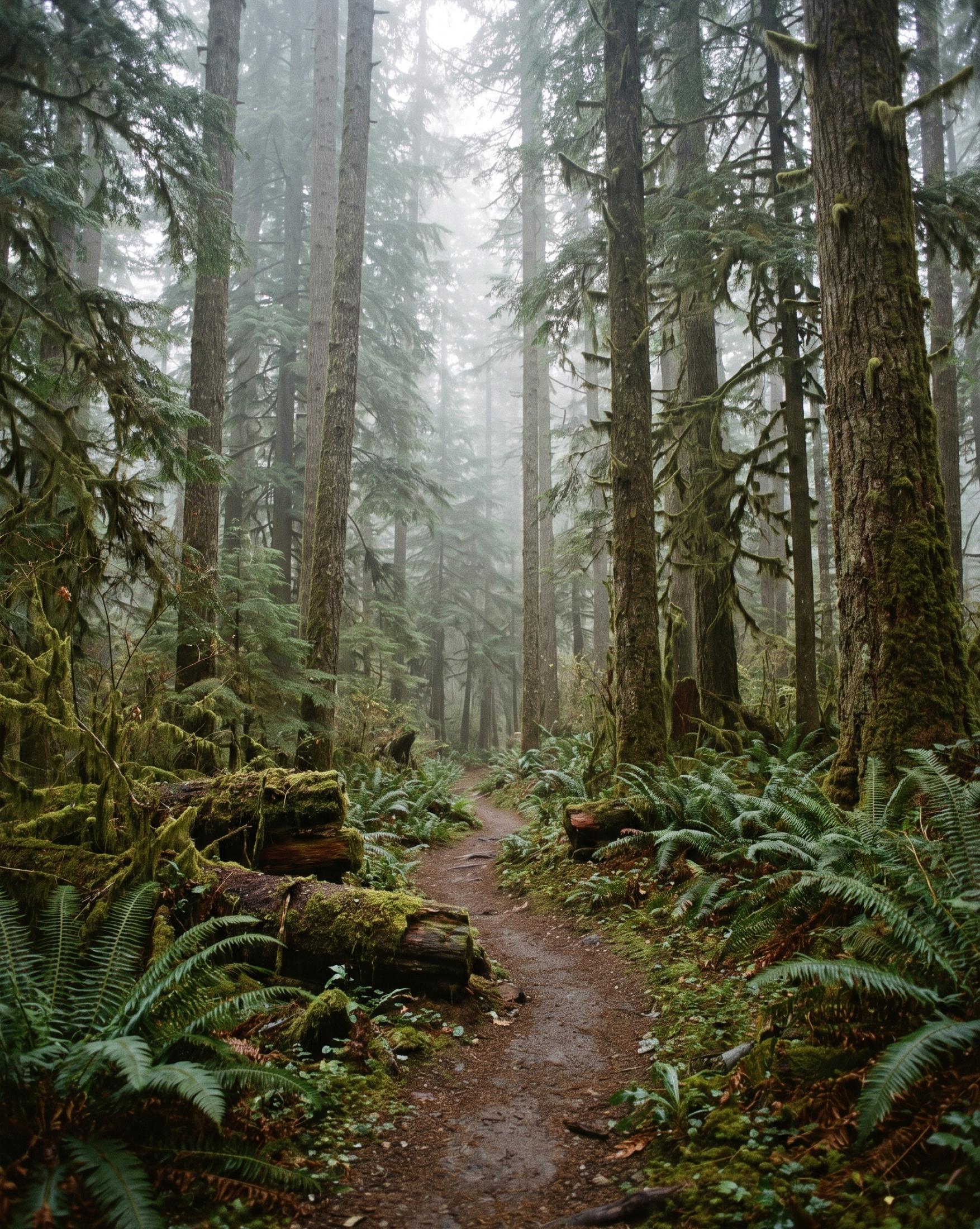
Fern and moss Western Washington
The first call
Most of it is me asking questions, and a few of them will seem oddly specific.
I want to know where you’re coming from and what you’re trying to get away from. How many days a week you’ll drive to an office, and which office. Wood heat or no wood heat. A shop, a pasture, or just a yard the deer don’t own. How you feel about gravel roads, and if you’ve ever lived with a well.
We’ll also talk about money in plain terms: how you plan to pay for the home, if you’ve talked with a lender yet, and if the loan you have in mind works on the kind of property you want. Some loan programs have rules about acreage, outbuildings or the condition of a house. Better to learn that before you fall for a place.
By the end of the call we should both have a clear picture of the target. Sometimes that picture is one town. Sometimes it is a drive-time circle around a trailhead, or a list of three school districts and a hard limit on how far you’ll drive in the snow.
Setting the search
Most search tools filter by price, beds, baths and square footage. Those still matter. On foothill and forest property, five other filters matter just as much, and I set your search up around them.
How close is the nearest trailhead?
If you want to walk to the Snoqualmie Valley Trail from North Bend or ride the Foothills Trail out of Orting, that is a real search criterion, and I treat it like one. I’ll map the homes you’re seeing against the places you actually go: Tiger Mountain, Mount Si, Rattlesnake Lake, the Green River Gorge, the Carbon River road. A house fifteen minutes closer to the trail you use every weekend can be worth more to you than an extra bedroom.
What will the commute really be?
These towns depend on a handful of roads. I-90 serves Issaquah, Snoqualmie and North Bend. SR 410, SR 164 and SR 169 feed Enumclaw, Buckley and Black Diamond. SR 162 runs through Orting, and SR 165 climbs to Wilkeson. Traffic on each changes by hour and by season, so before you commit to a house at the end of one of them, drive the route at the time you’d actually be on it.
How much land, and what can you do with it?
More land means more options and more upkeep. Before an offer, look at zoning, at critical areas like wetlands and streams, and at what the county will let you add: a shop, a barn, an accessory dwelling. King and Pierce counties write their own rules, and some parcels carry easements or open space tax enrollments that change what you can do. I’ll help you find the right questions and the right county office to ask.
Is it on a well and septic?
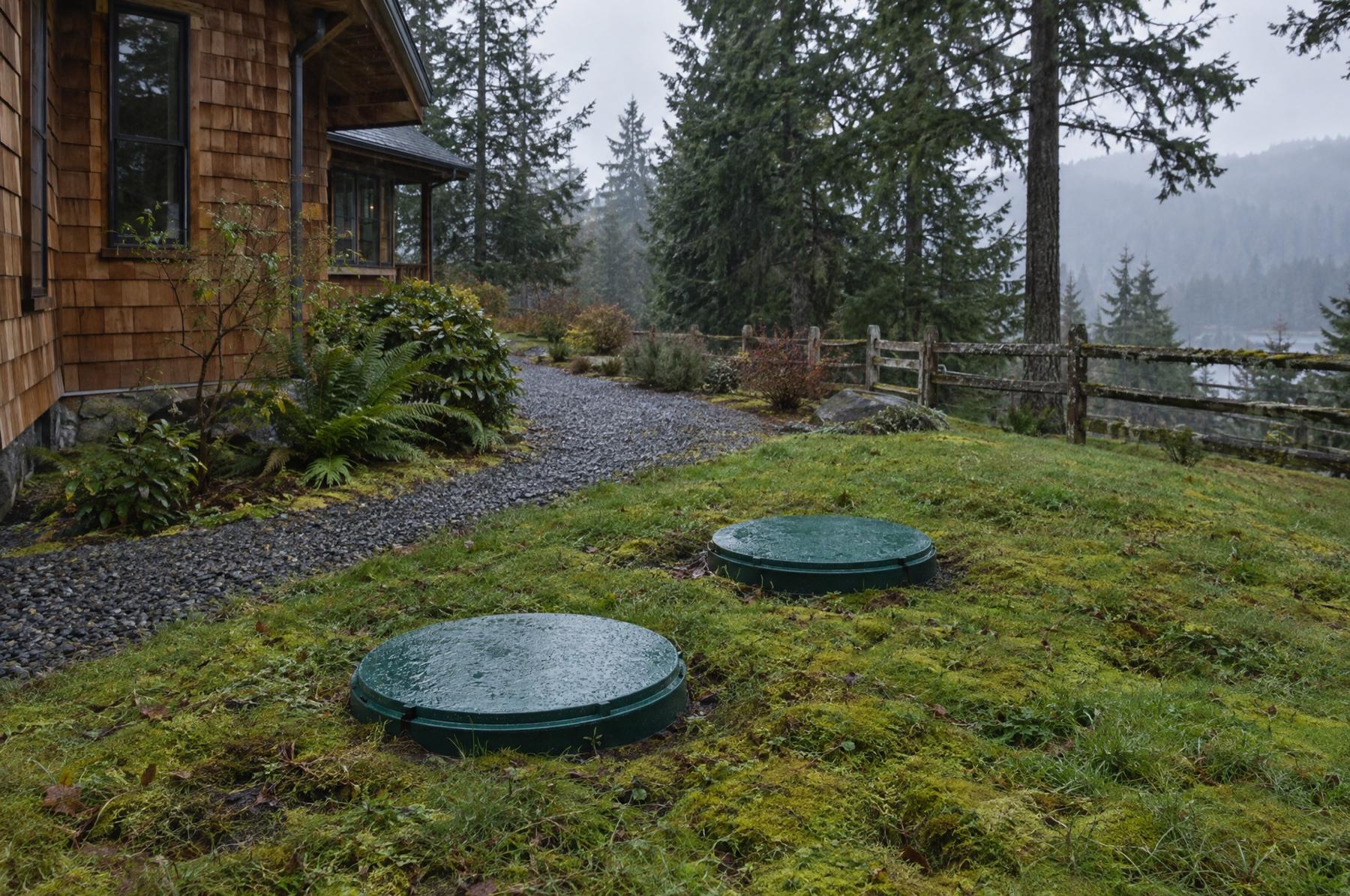
Plenty of rural homes run on a private well and an on-site septic system. That is normal and workable, but it adds inspections to the purchase and chores to ownership. I flag well and septic homes in your search so you know which ones need the extra homework, and I can point you toward the county health records that often hold a septic system’s permit and past inspection reports.
What happens when it snows?
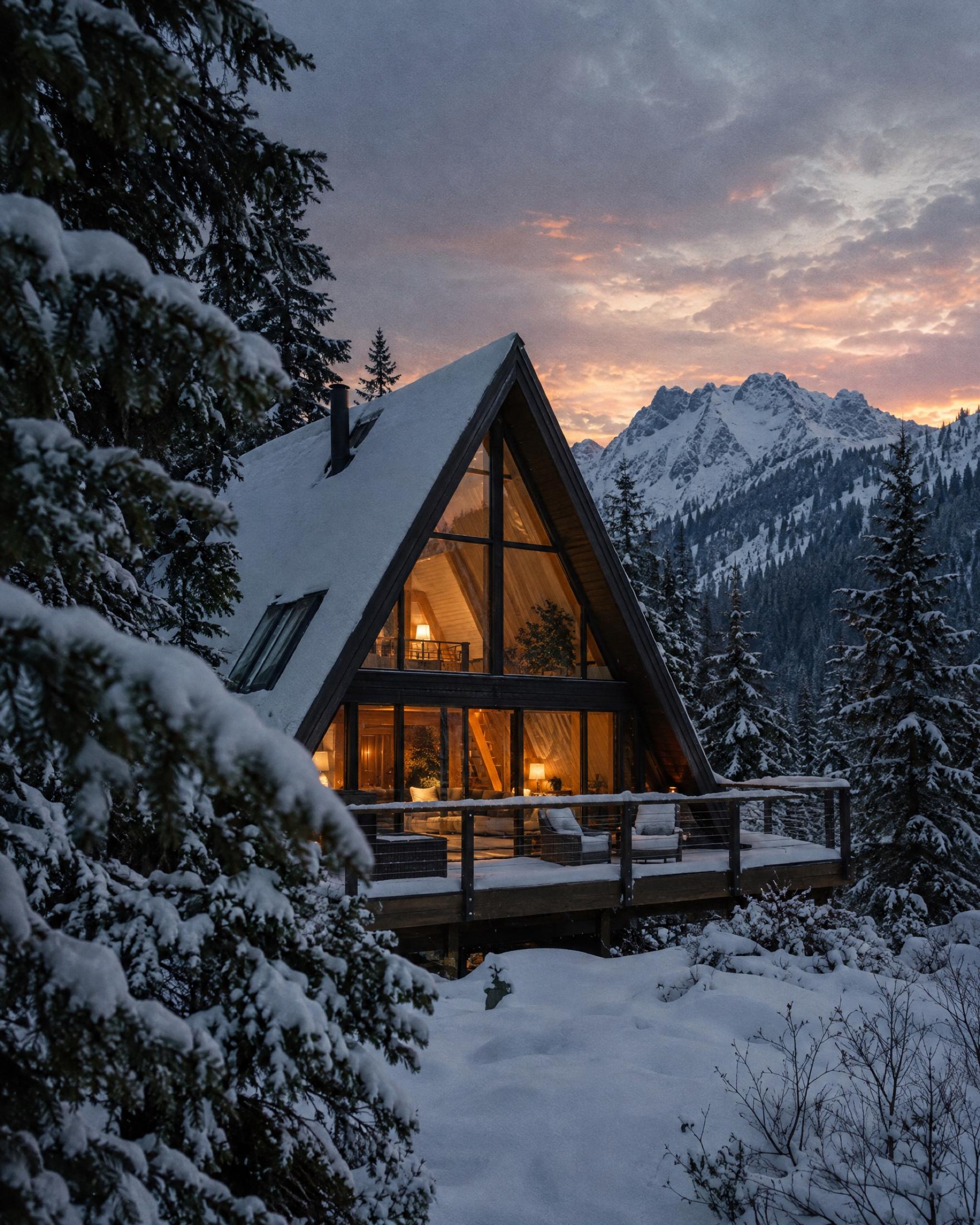
A few hundred feet of climb can change your winter. Homes on the benches above North Bend or up the road toward Wilkeson can see snow when Sumner sees rain. Private roads need someone to plow them, and a shared road should have a written maintenance agreement that says who pays for gravel, grading and snow removal. I look for those details in the listing and in the title documents, and I ask the listing agent when they aren’t there.
Touring
Once a home makes it through the filters, we go see it. I plan tours so we can see several homes in one area in a single trip, with time left to drive the roads around them and stop in town for coffee.
On a foothill tour I look at what photos hide. The pitch and condition of the roof. Standing water in the yard. The smell of the crawlspace. How the driveway would handle a wet February. Where the septic drainfield sits, and whether anyone has been parking on it. The well house, if there is one. Cell signal, which is spotty in parts of the foothills and matters a great deal if you work from home.
If you’re relocating from out of state and can’t make the trip, I can walk a home on a video call and point the camera wherever you ask. That can save you a flight for a house that isn’t right. Before you buy, you’ll still want to stand in the yard yourself.
Making an offer on rural and foothill property
The offer is where rural property differs most from a house in a subdivision. An offer can include a home inspection contingency. On a home with a well and septic system, I’ll usually suggest more:
- A septic inspection by a qualified inspector, often with the tank pumped so its condition can be seen.
- A well flow test, and a water quality test run by a lab for bacteria and, depending on the area, other contaminants.
- Time to read the title report for easements, road maintenance agreements and anything else that limits use of the land.
- A feasibility period if you plan to build, divide the land or add a structure, so you can check with the county before you are committed.
Appraisals on rural property can be harder to support because there are fewer similar sales nearby. Your lender may have its own requirements for wells and septic systems. Timelines vary from one property and one lender to the next, so I build in room and keep you posted as each piece comes back.
When an inspection turns something up, we decide together what it’s worth asking for. Sometimes that means a repair or a credit from the seller. Sometimes it means walking away during the inspection period, which is what the contingency is for.
Questions buyers ask
- Do I need to be pre-approved before we start looking?
- You don’t need a pre-approval for a first call, but you’ll want one before you write an offer. On rural property, ask your lender early whether the loan works with a well, a septic system, acreage or outbuildings, because some programs have rules about each.
- Can you show me homes listed by other brokerages?
- Yes. As your agent I can show you homes on the open market no matter which brokerage listed them. HomeSquatch has no private or off-market inventory of its own.
- What should I ask about a well?
- Ask for the well log, any past flow and water quality test results, and records of pump or pressure tank replacement. Then plan to test flow and water quality again during your inspection period. If the well is shared, ask for the written well-sharing agreement.
- How do I know if a road is private?
- The title report and county records usually show it. If a home sits on a private road, ask for the road maintenance agreement. If there isn’t one, talk it through before you offer, because someone will have to pay for gravel, grading and snow removal.
- Do you only work in these eight towns?
- They are the focus of this site. For anywhere else in Washington State, call me and I’ll tell you plainly whether I’m the right person for that area or whether an agent in the Homexa network knows it better.
- How is a buyer’s agent paid?
- In Washington, buyer representation is set out in a written agreement between you and your agent’s brokerage. I’ll go through ours with you line by line before we tour, including how and by whom compensation is paid.
Tell me what the place needs to have.
Acreage, a shop, a short walk to a trail, a town with a bakery. Send me the list and I’ll set up the search around it.